Museums & Emerging
Pathogens in the Americas
Nine days of field surveillance, DNA extraction, Nanopore sequencing,
and bioinformatics
A virtual Community of Practice and branch of Project ECHO connecting natural history museum biorepositories with biomedical initiatives across the Americas.
Bridging museums,
genomics, and global health
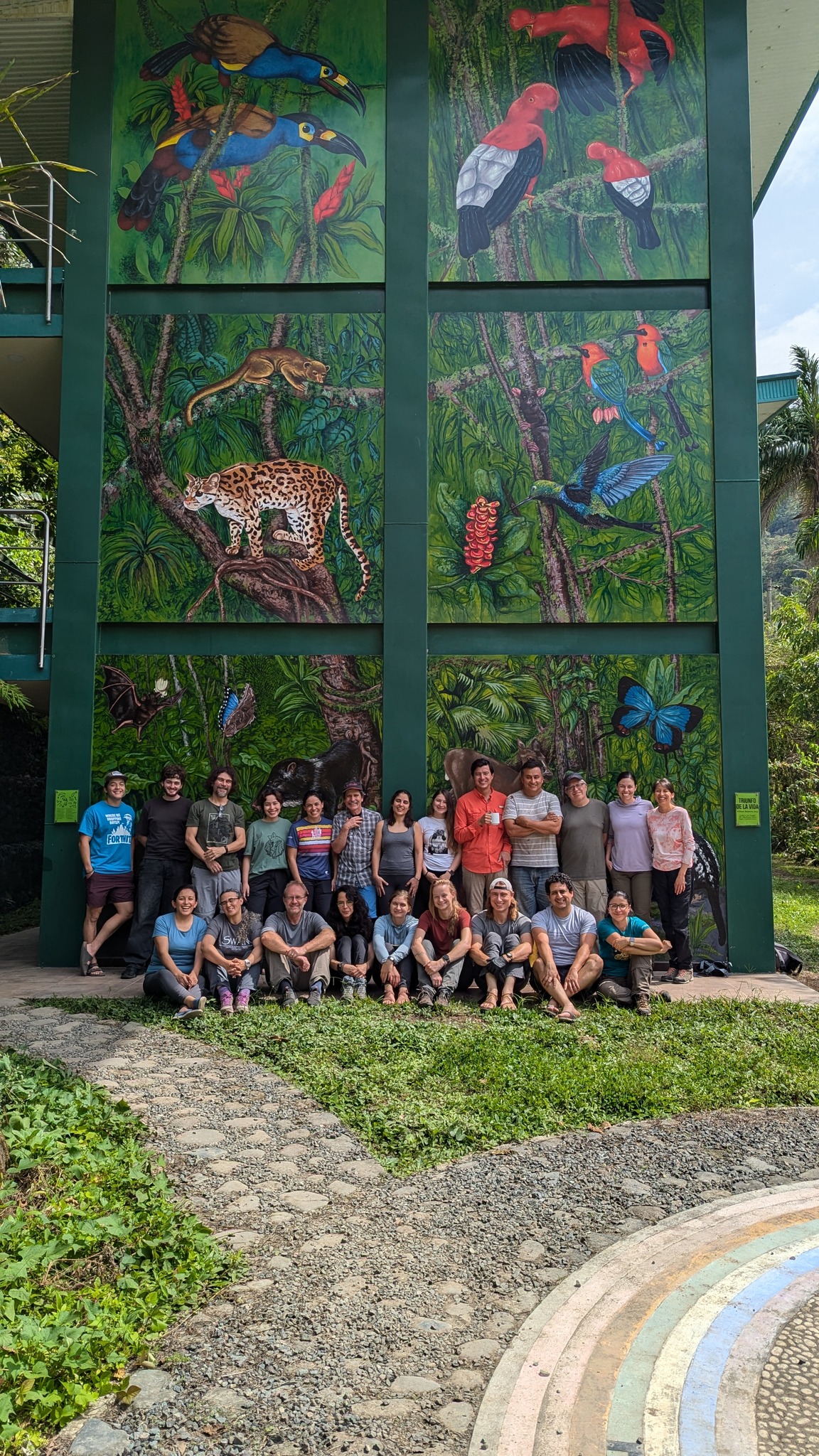
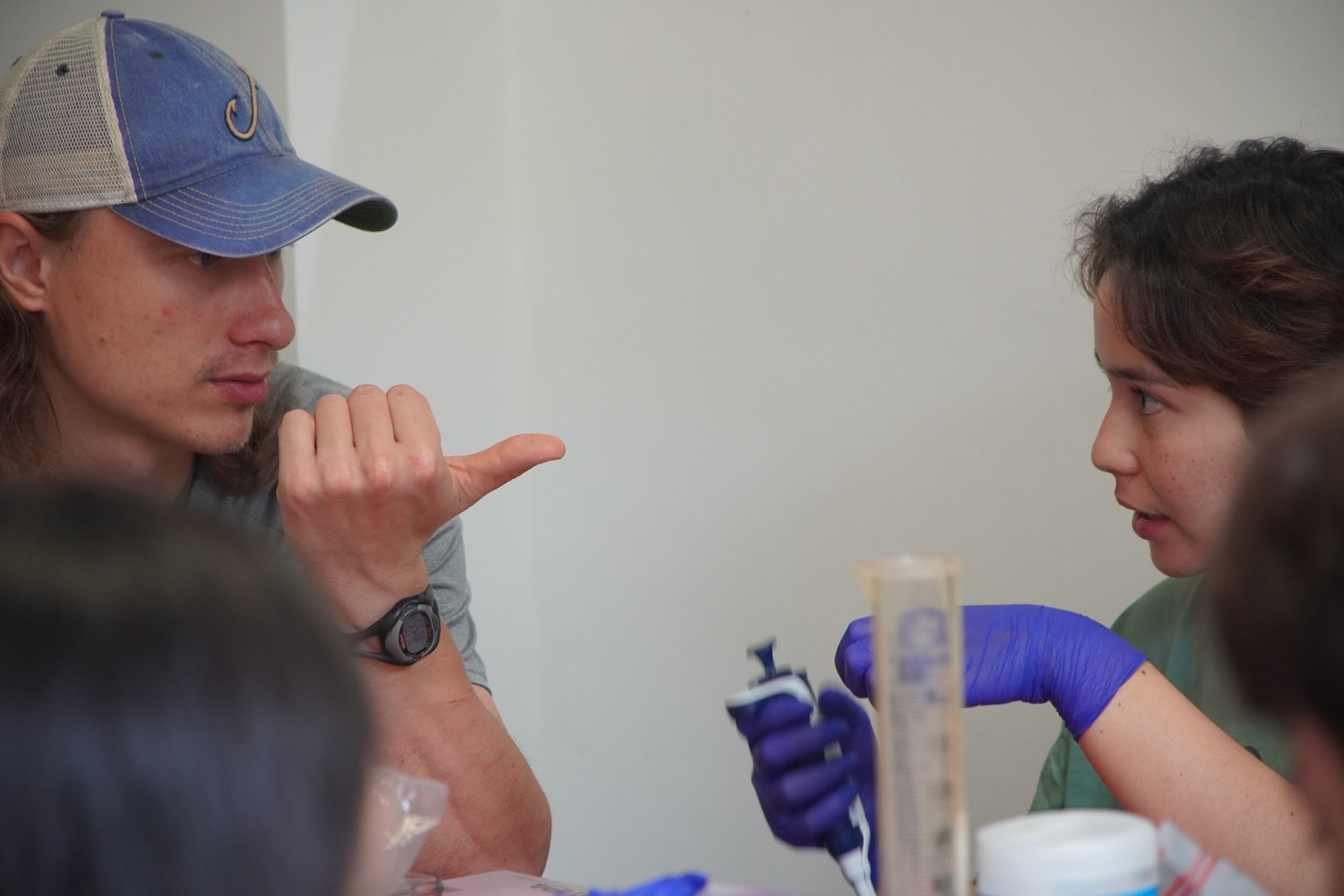
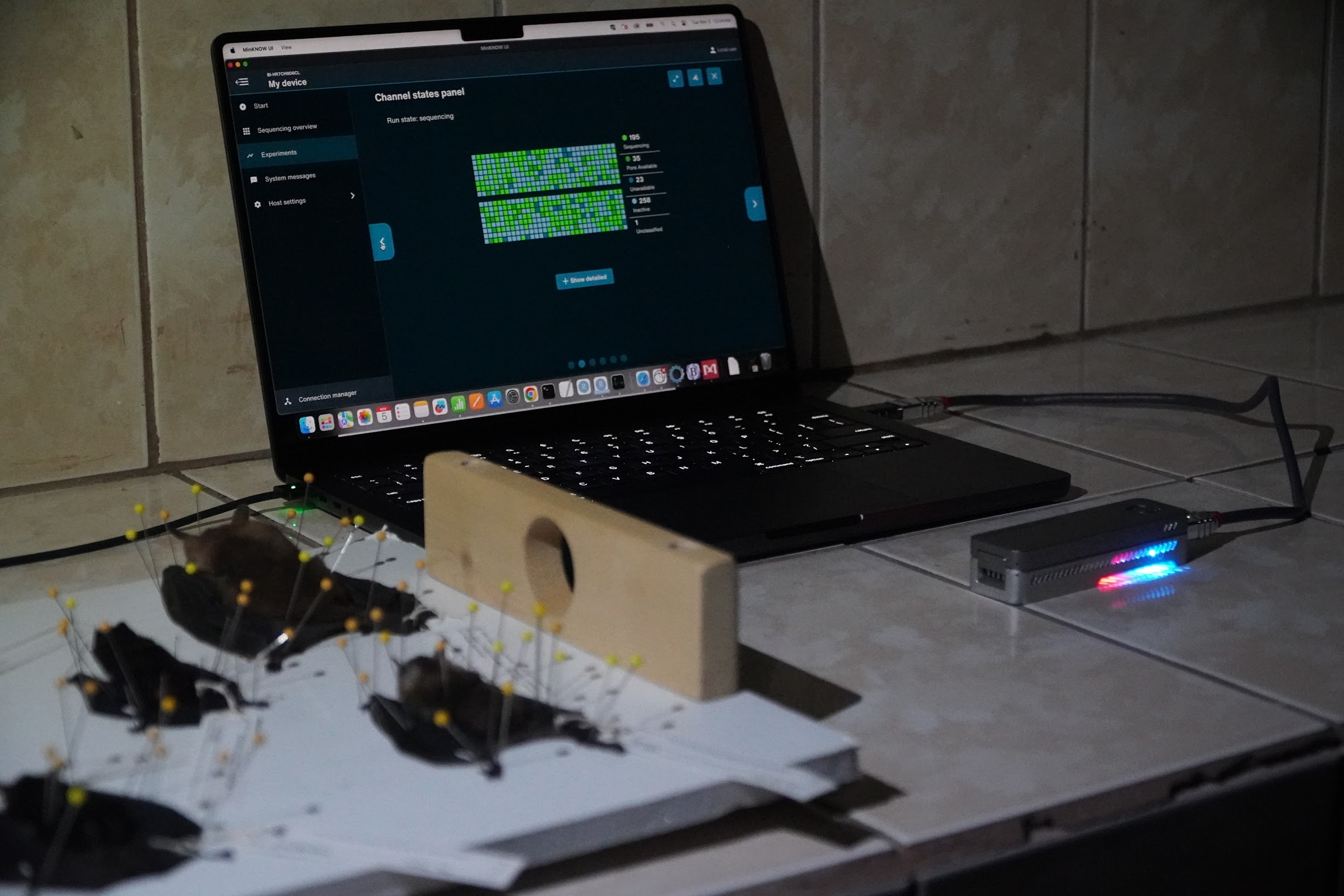
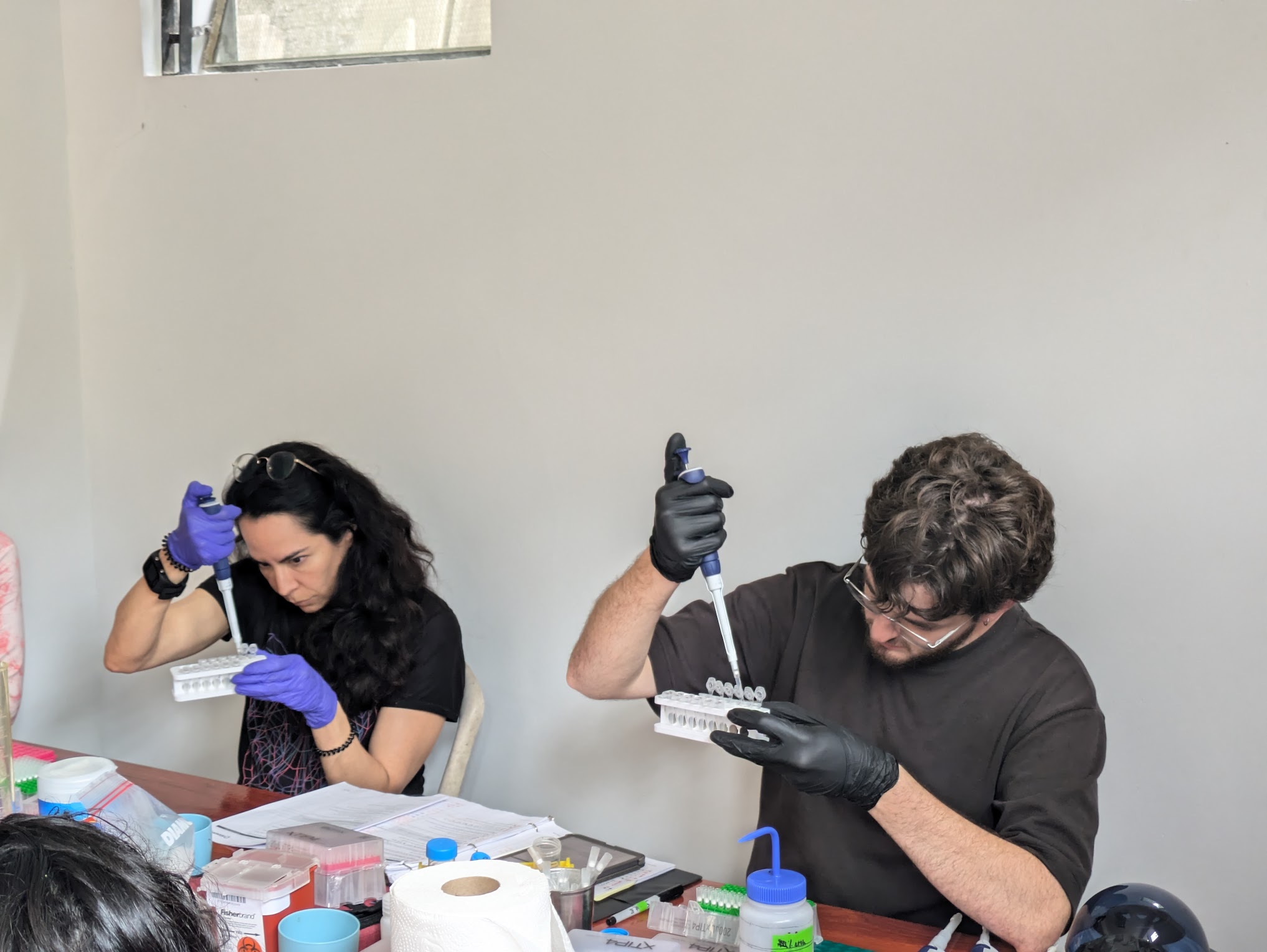
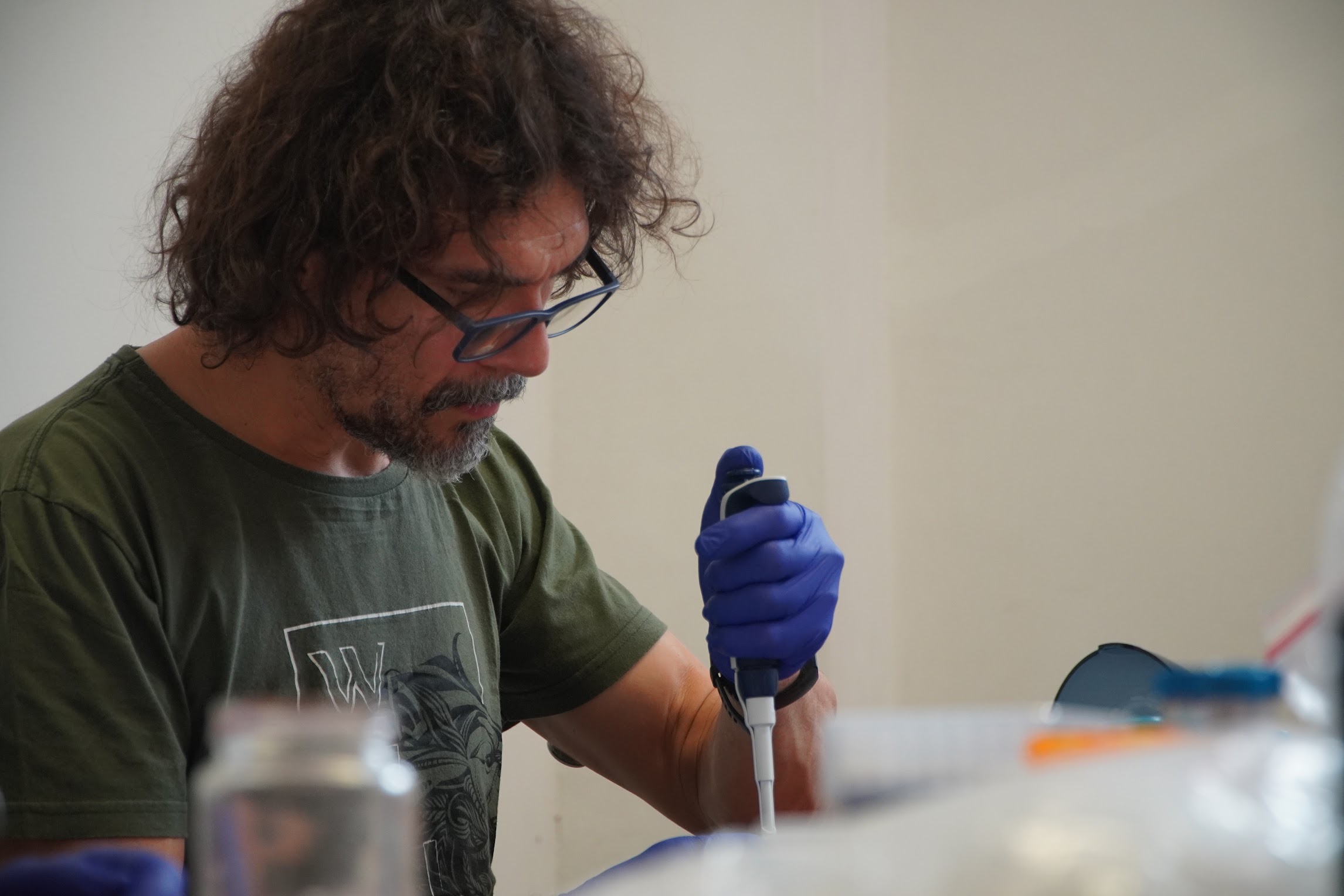
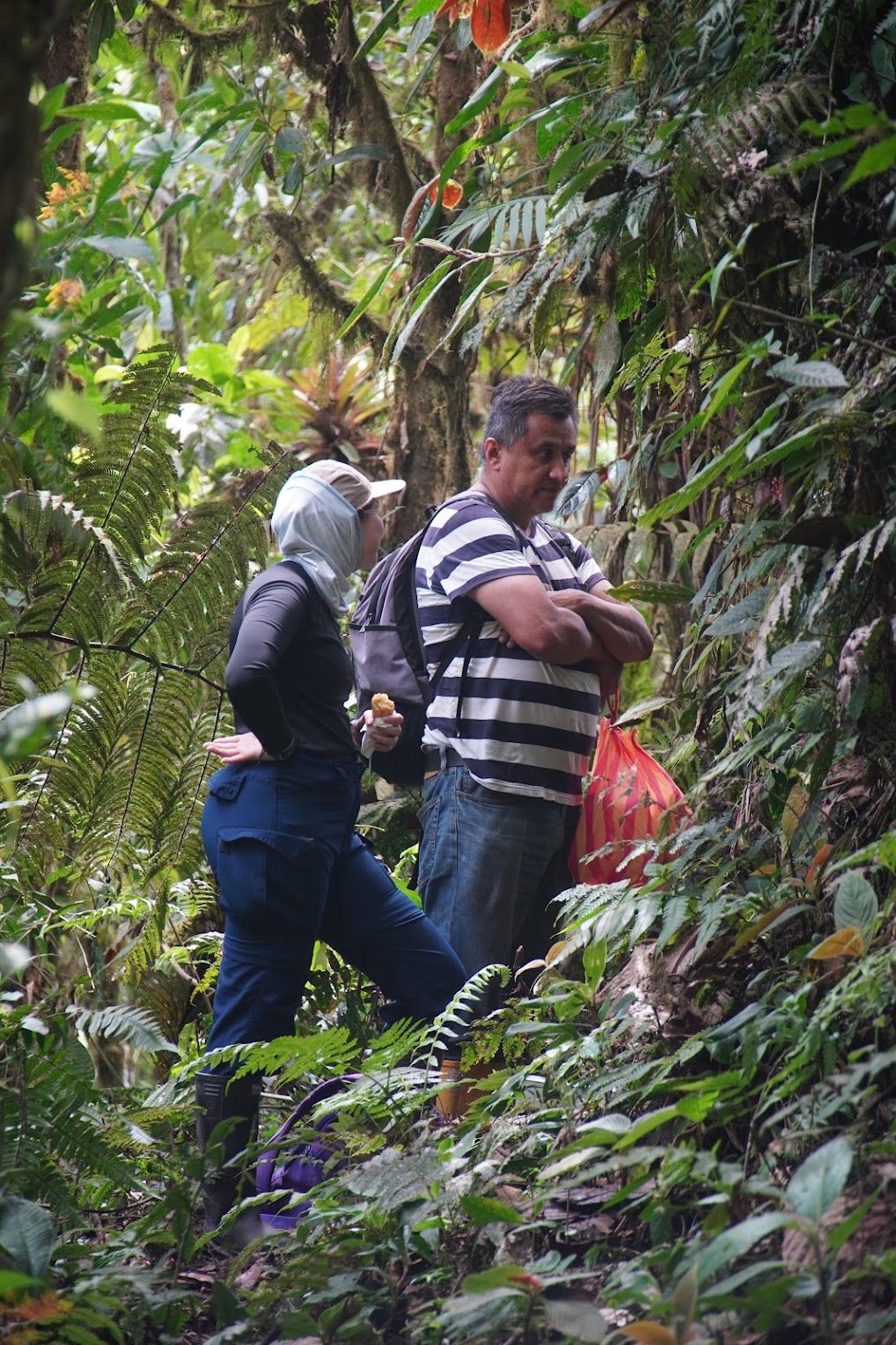
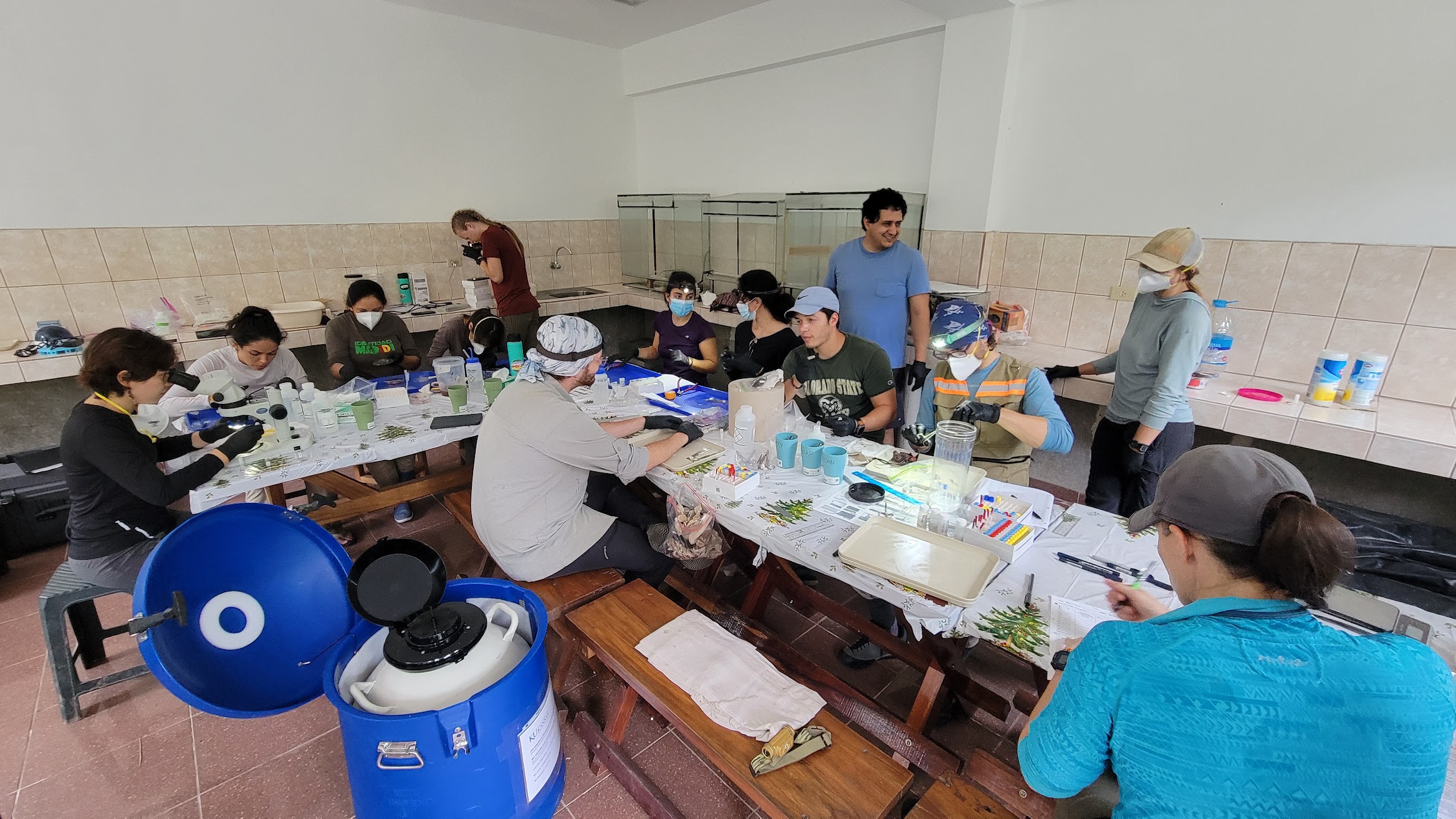
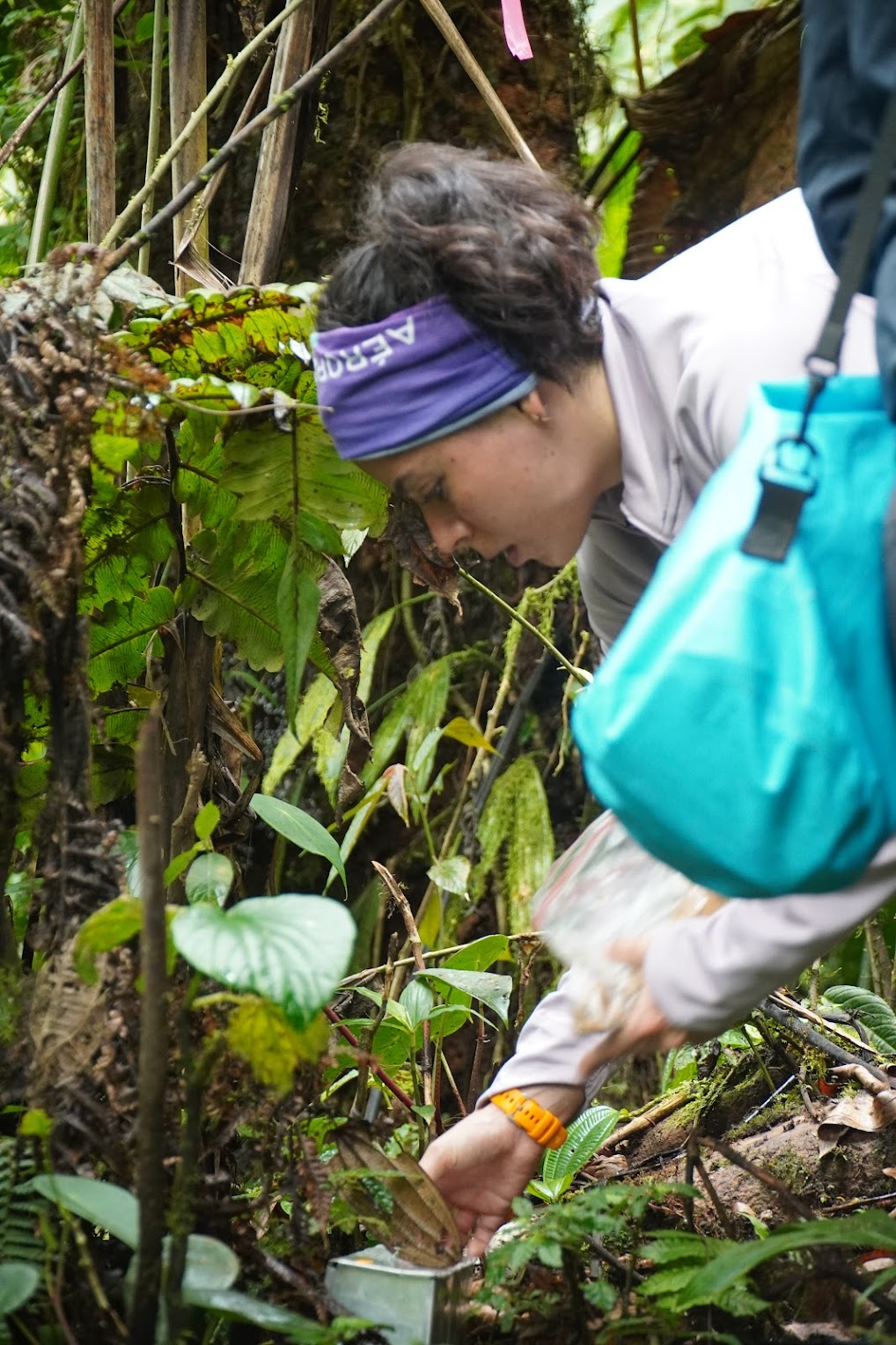
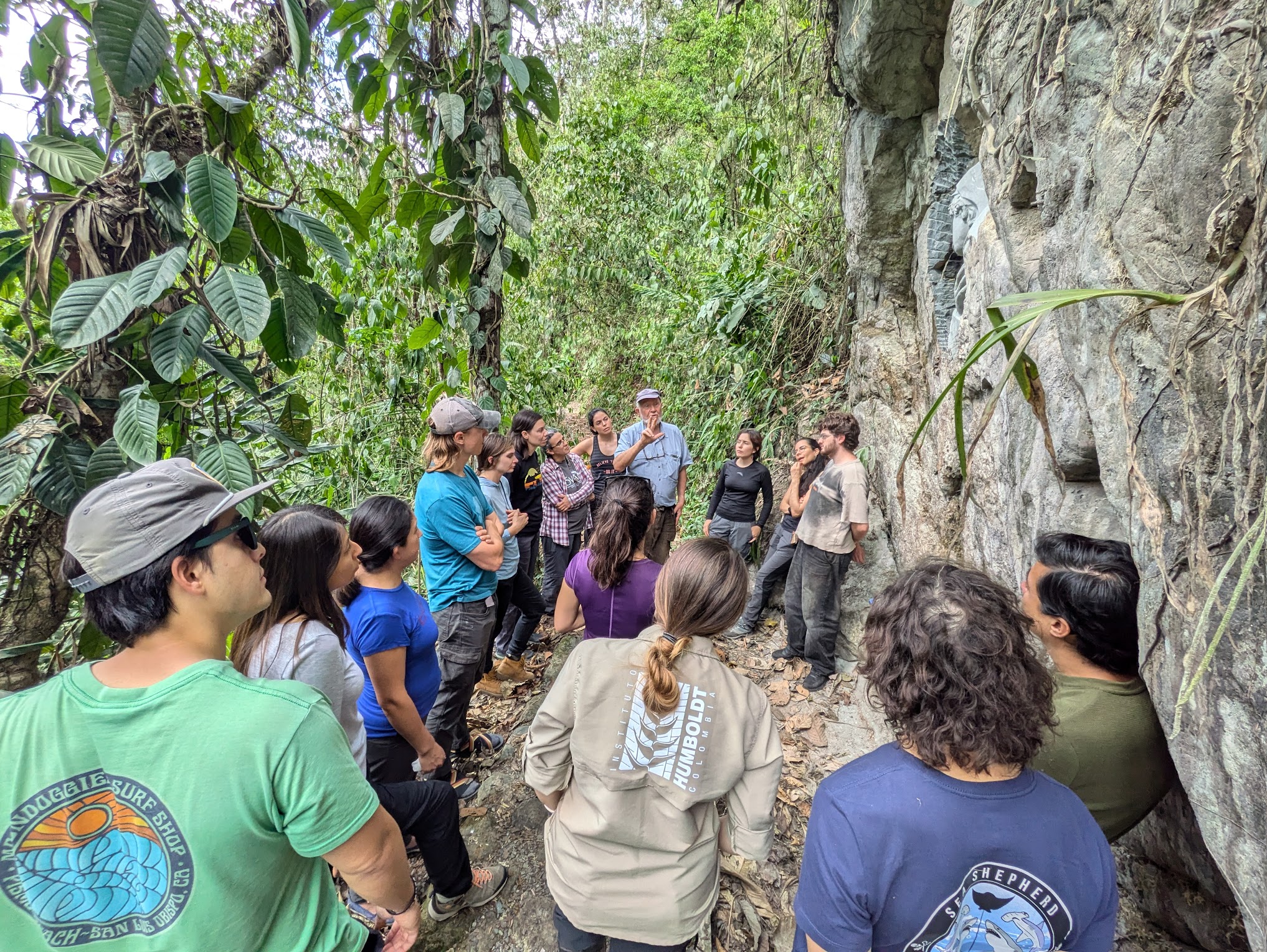
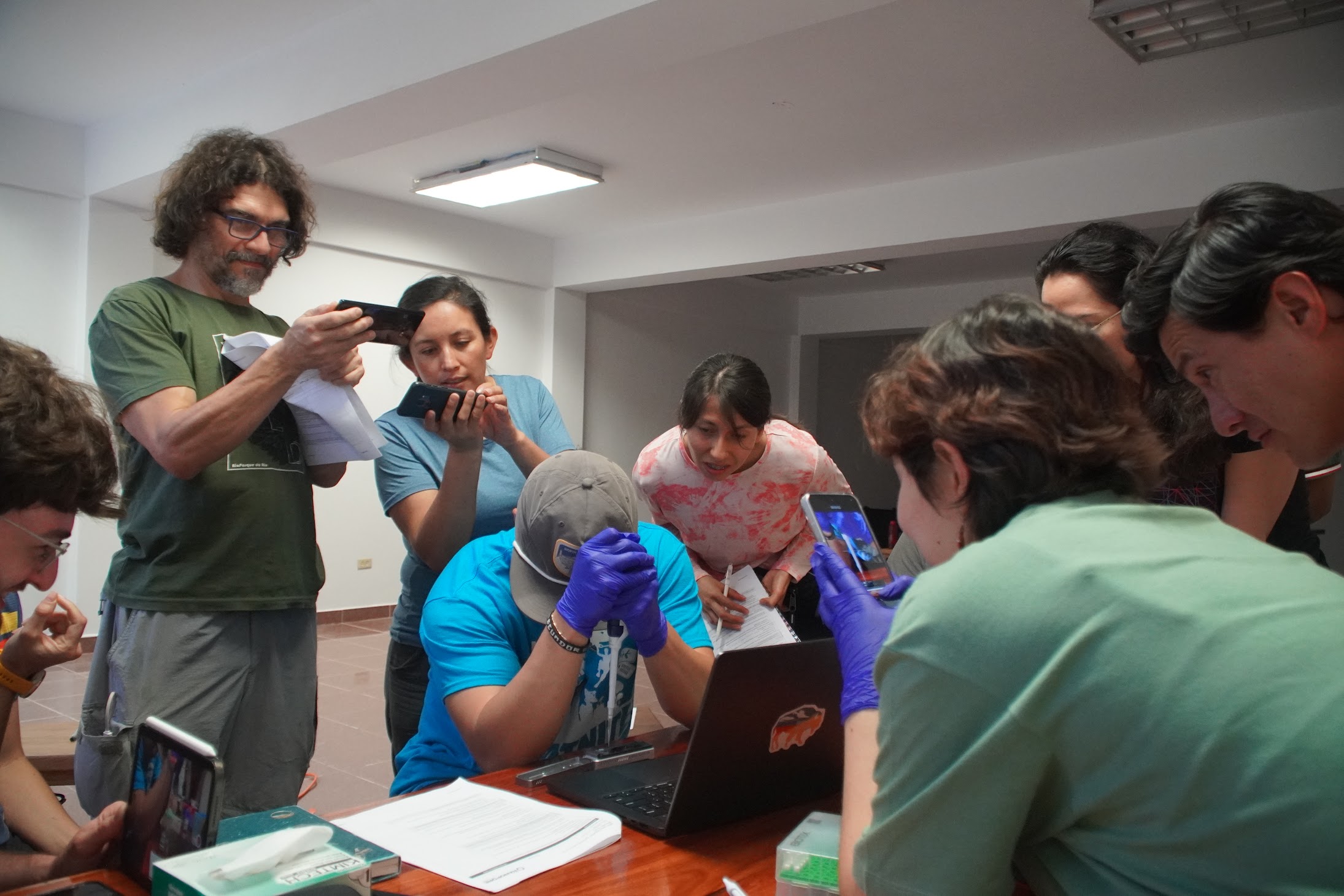
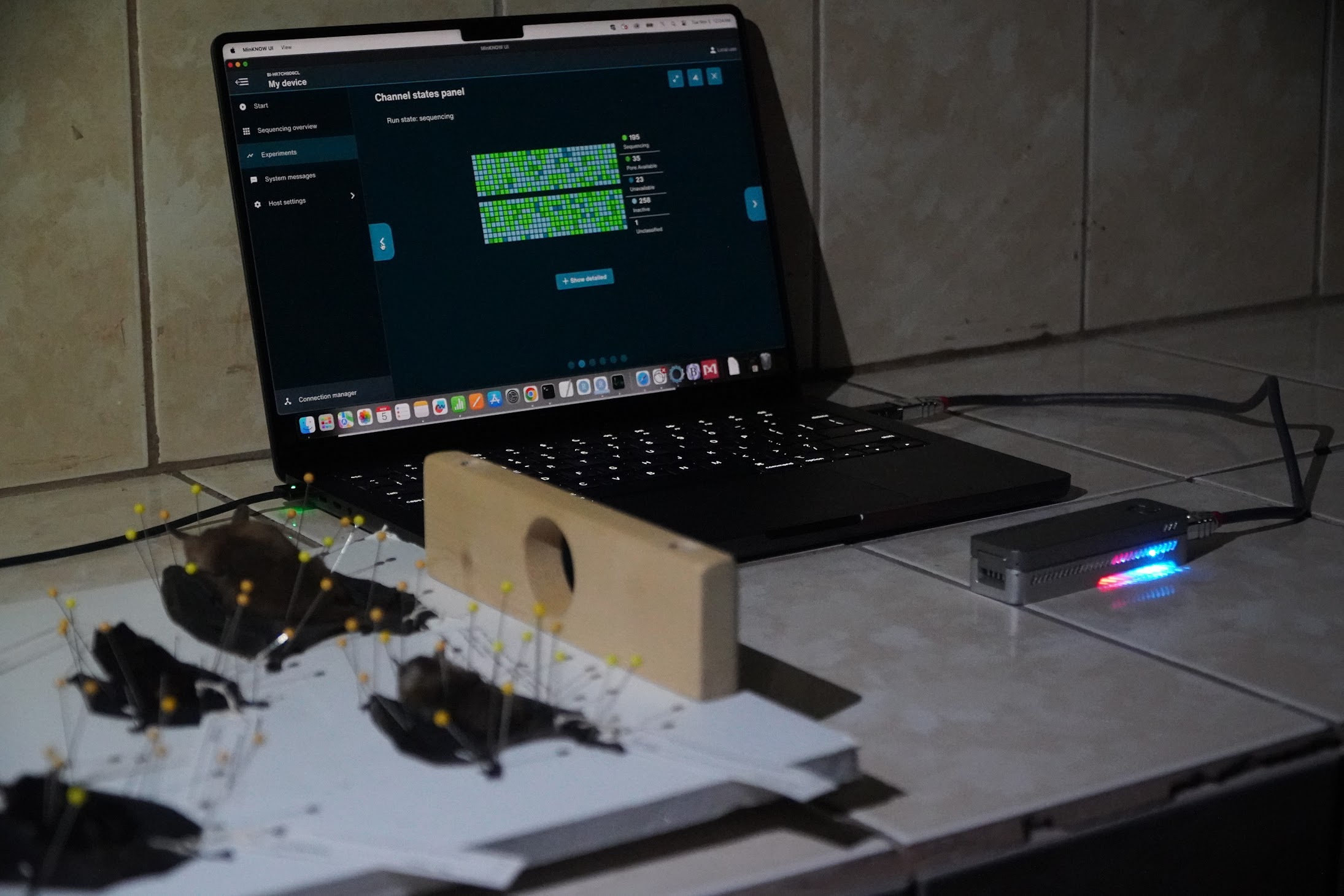
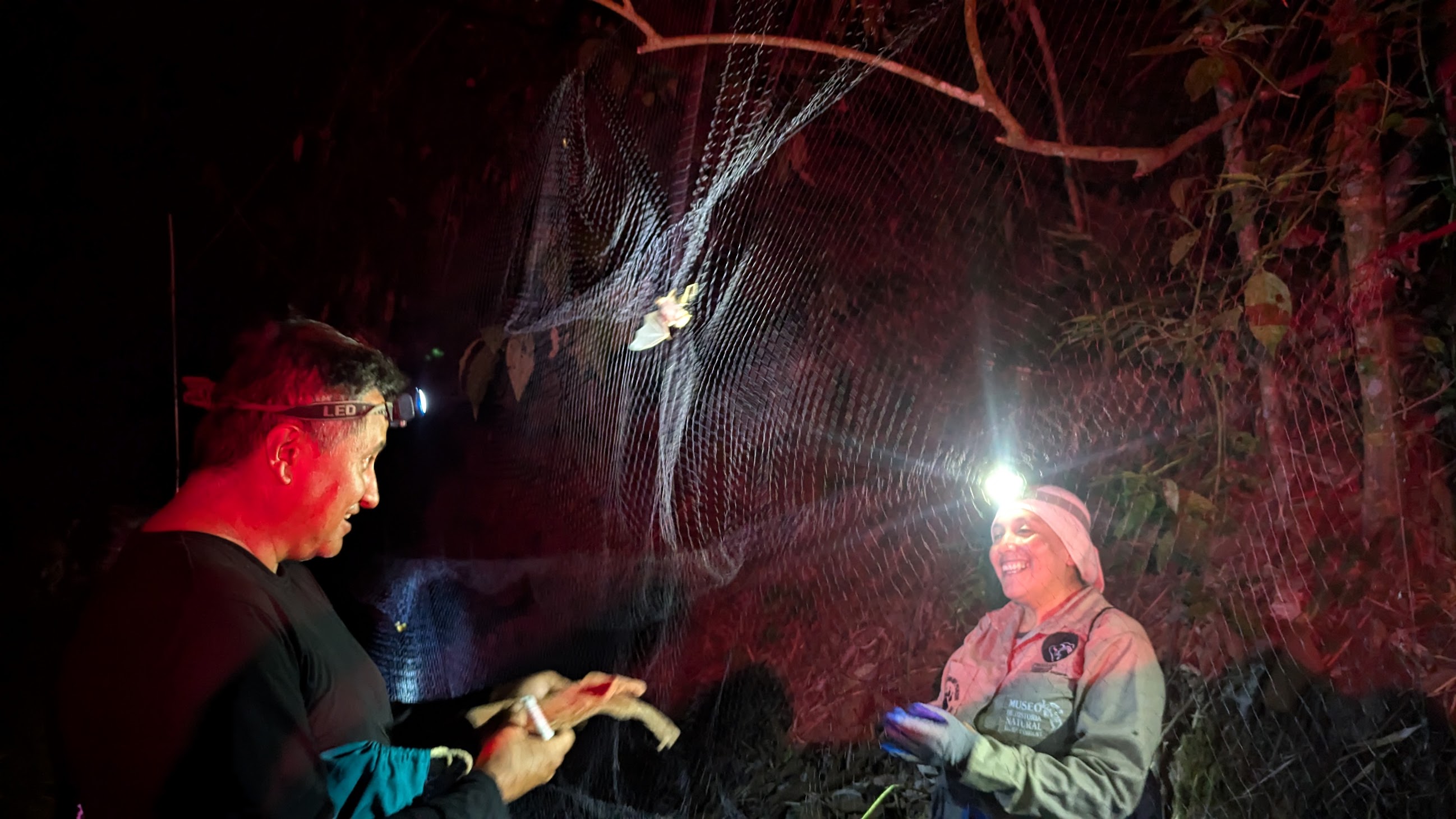
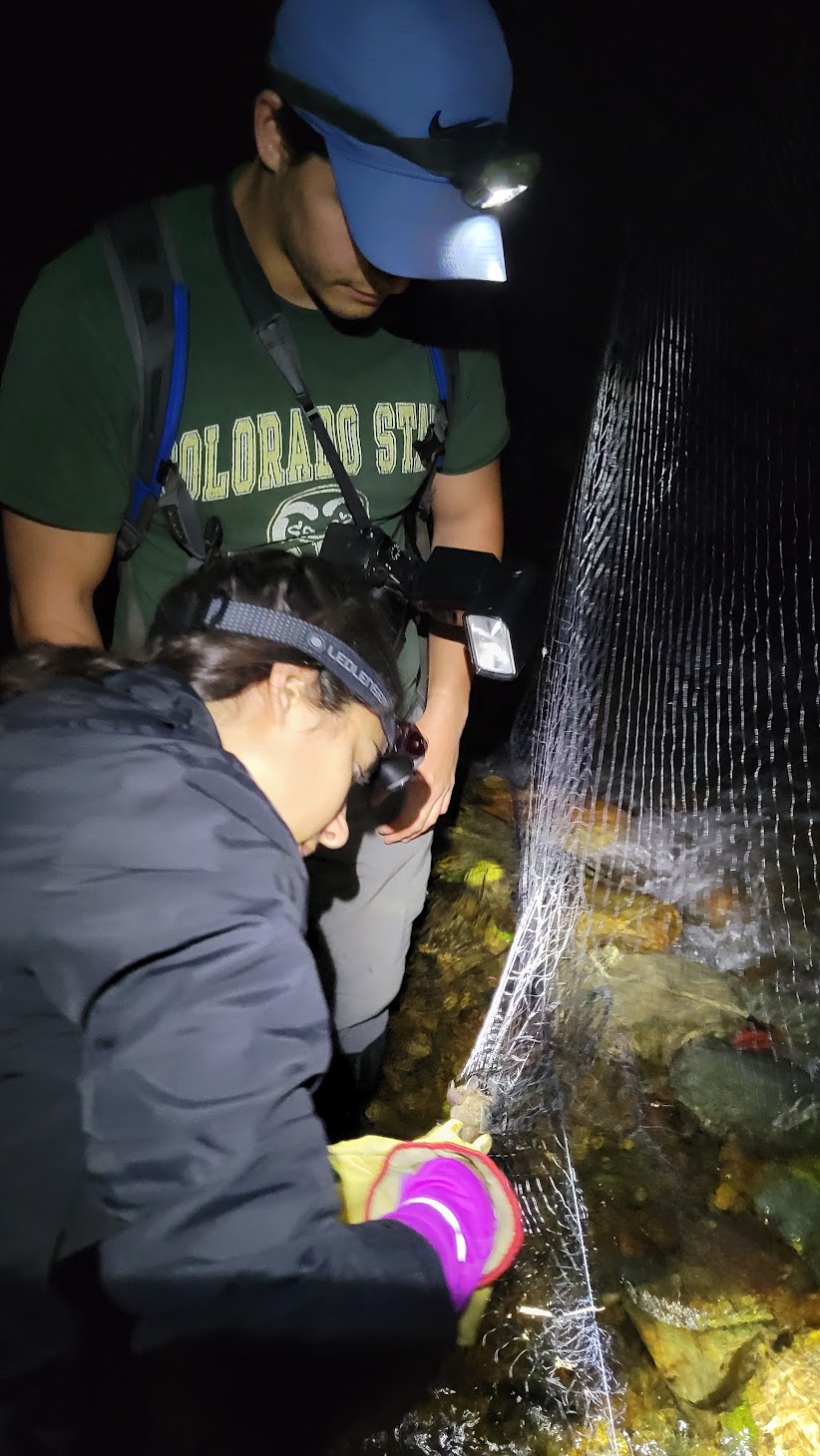
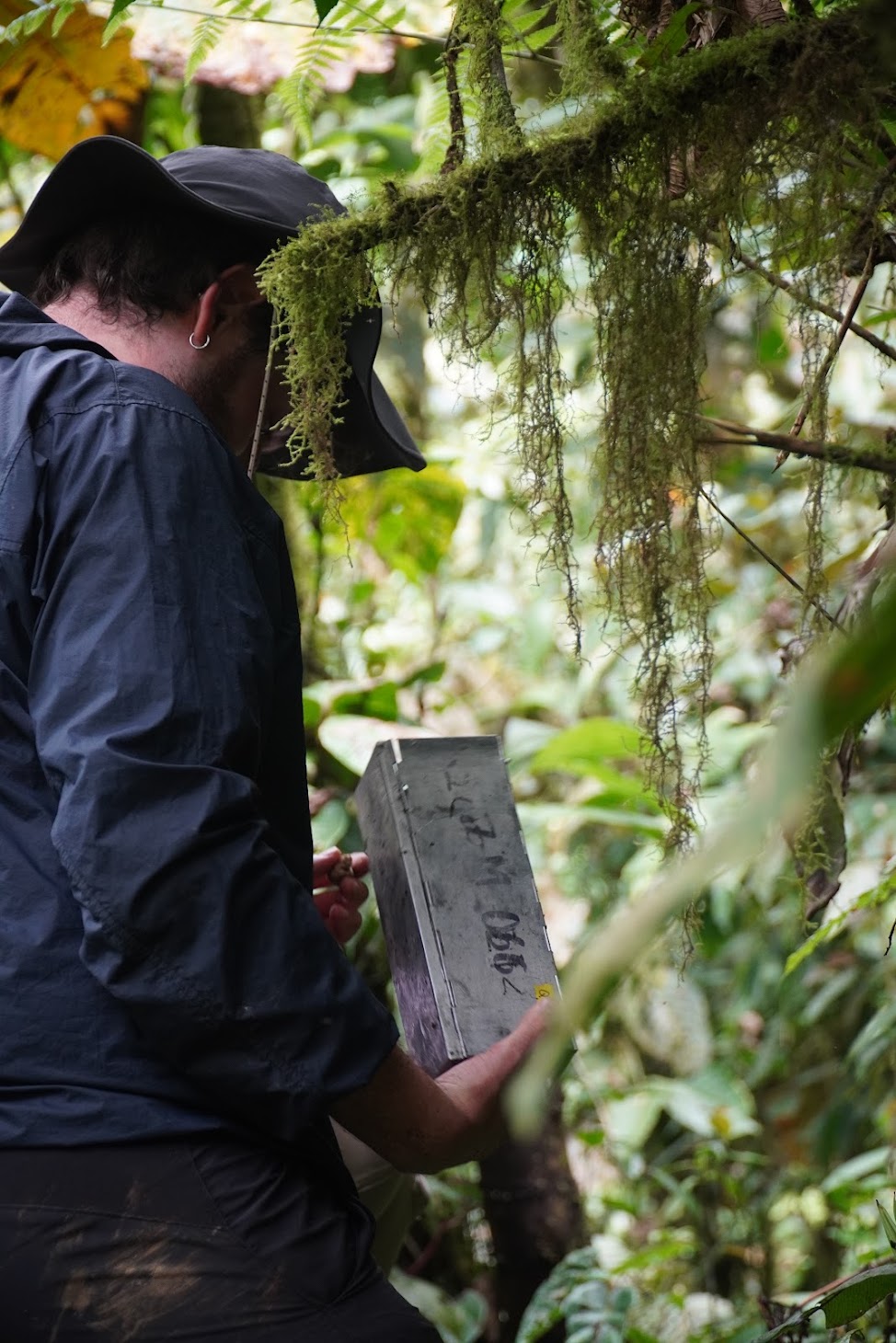
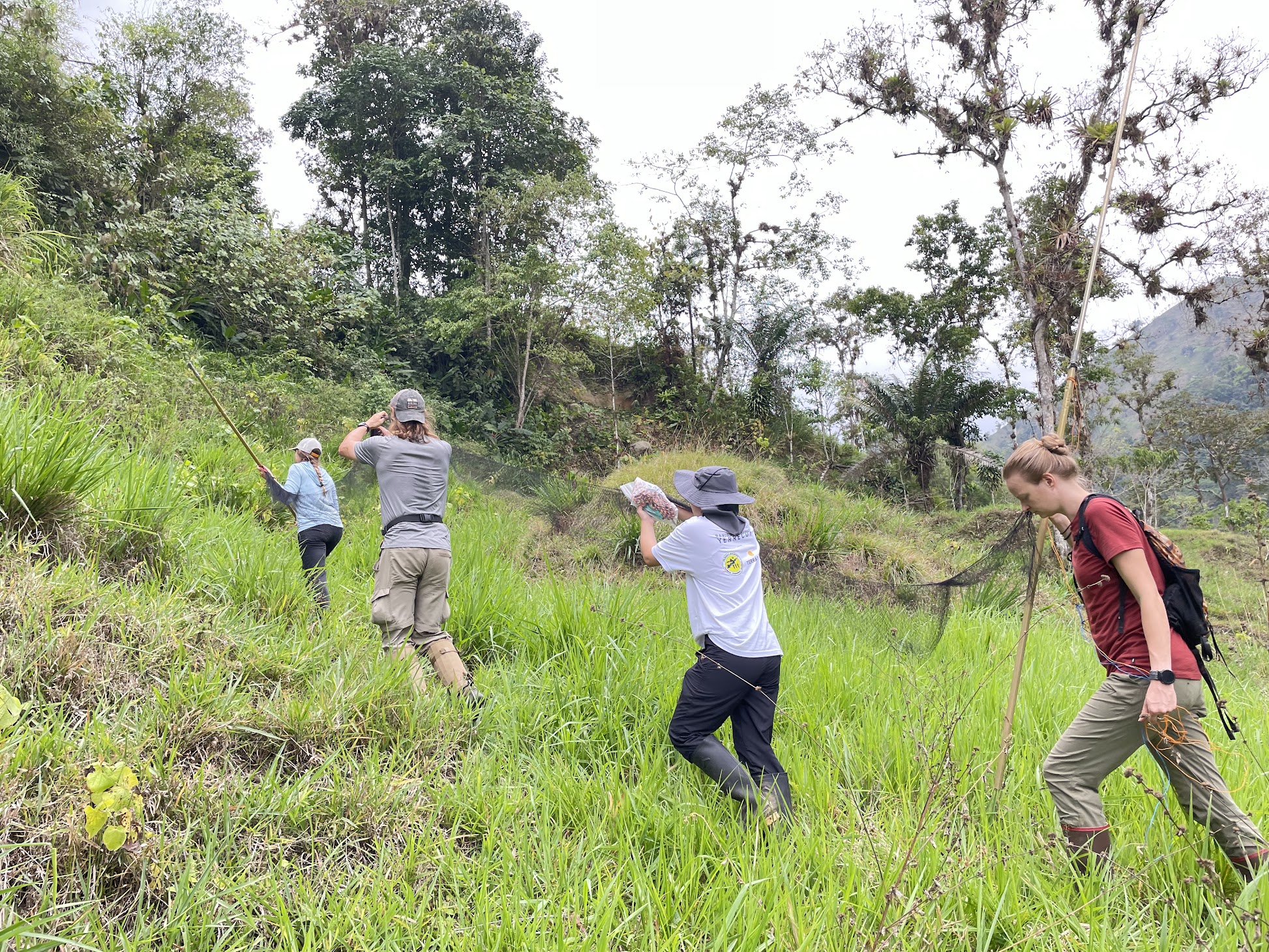
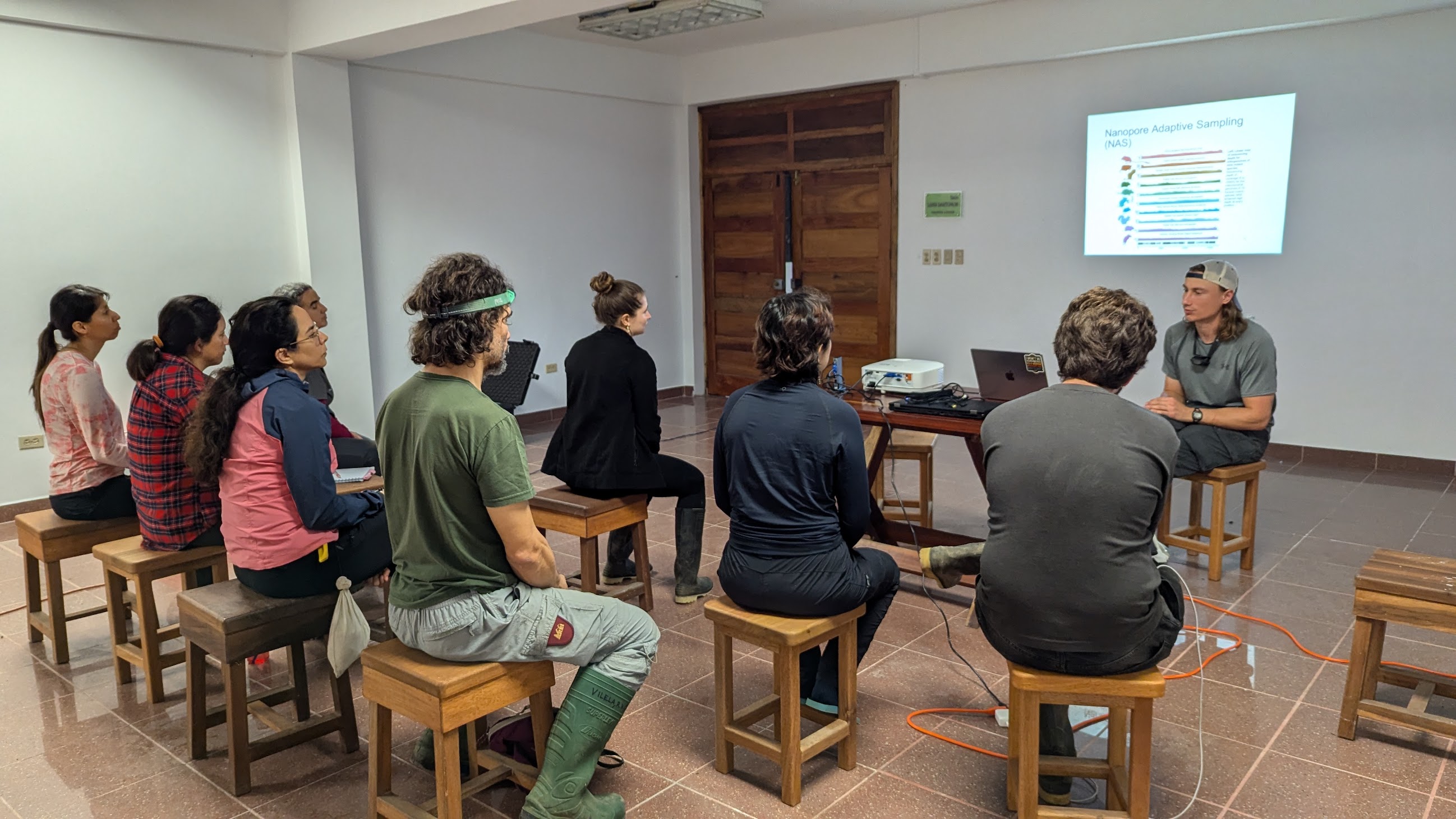
MEPA aims to improve the sustainability, rigor, and replicability of pathogen surveillance in wild animals. In collaboration with Universidad de San Carlos de Guatemala, we lead hands-on Field+Genomics Workshops where participants conduct field-based surveillance of small mammals, perform DNA extractions and library preparation, run Nanopore Adaptive Sampling, and carry out basic bioinformatics — all in the field.
Nine days, three phases
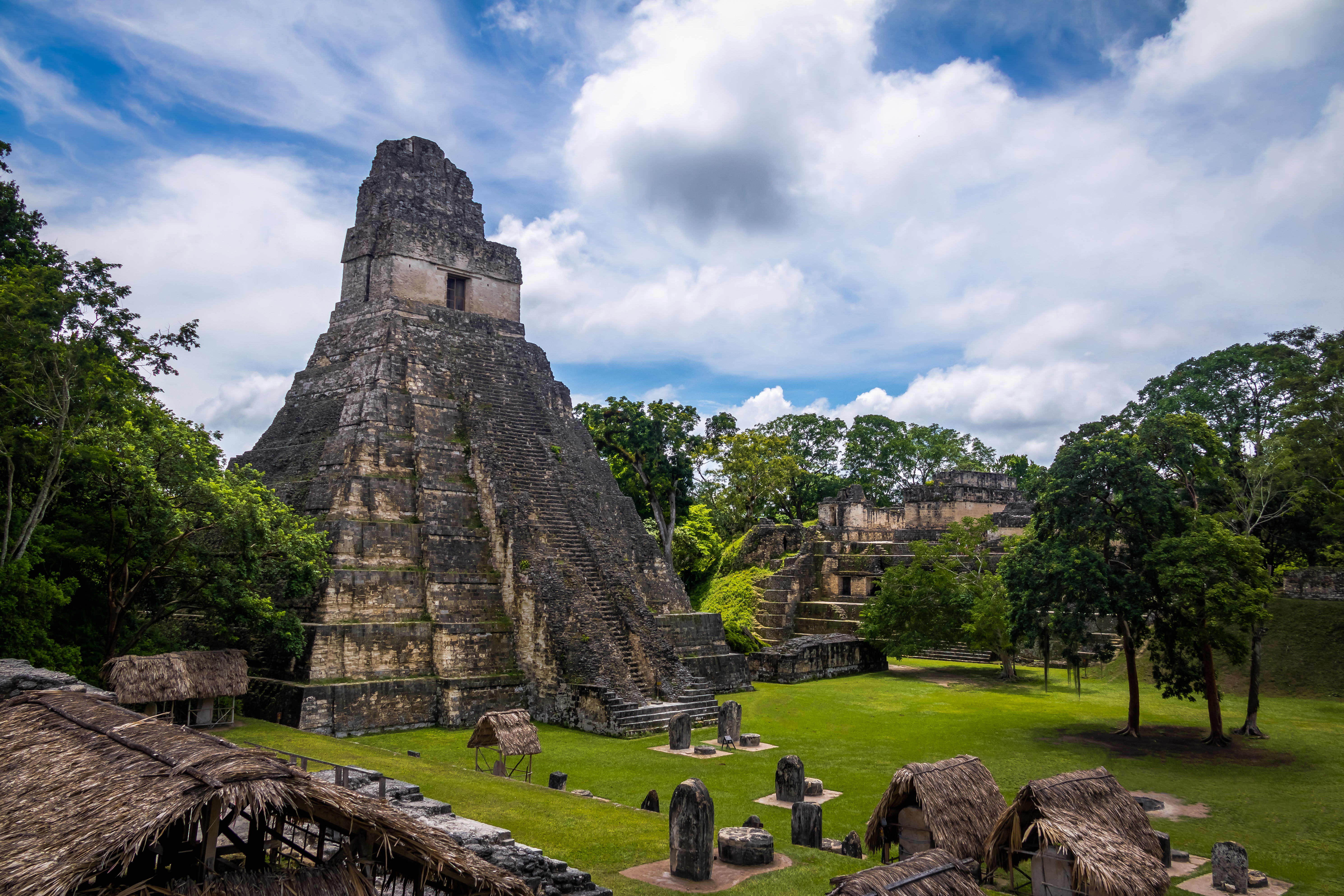
June 24 – July 2, 2026 · Tikal, Guatemala. Mammal trapping and specimen preparation in the field, followed by lab work and sequencing, culminating in a full bioinformatics workshop.
Wednesday, June 24 — Arrival & setup
- Introductions and safety overviews
- Bat netting / trap setting
Thursday, June 25 — First trap checks
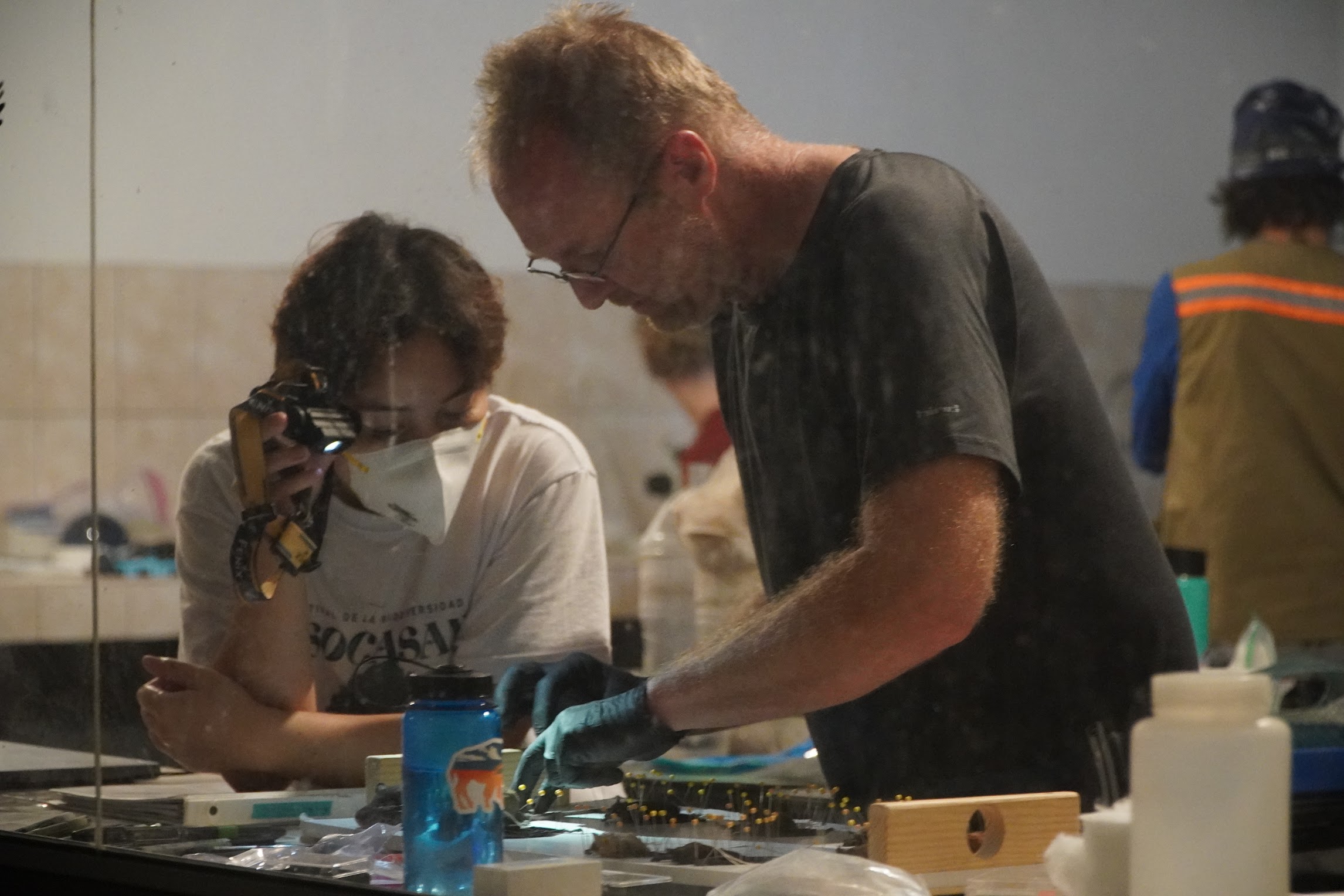
- Check traps · Specimen preparation
- Research talk
- Bat netting / trap setting
Friday, June 26 — Field work continues
- Check traps · Specimen preparation
- Research talks
- Bat netting / trap setting
Saturday, June 27 — Field work continues
- Check traps · Specimen preparation
- Research talks
- Bat netting / trap setting
Sunday, June 28 — Final trap checks
- Final trap checks · Final specimen preparation
- Research talk
- Bat netting / trap setting
Monday, June 29 — DNA extractions & library prep
- DNA extractions for live sequencing
- Sample concentration / Nanopore library preparation
- Research talk
- Bat netting / trap setting
Tuesday, June 30 — Sequencing begins
- Begin Nanopore sequencing
- Sequencer runs throughout the day
- Research talks
- Bat netting / trap setting
Wednesday, July 1 — Bioinformatics workshop
- Bioinformatics workshop — Nanopore pathogen data
- Analyzing Nanopore sequenced data
- Research talks
Thursday, July 2 — Wrap up
- Bioinformatics workshop — analyzing Nanopore sequenced data
- Workshop summary and evaluation
- Final group dinner
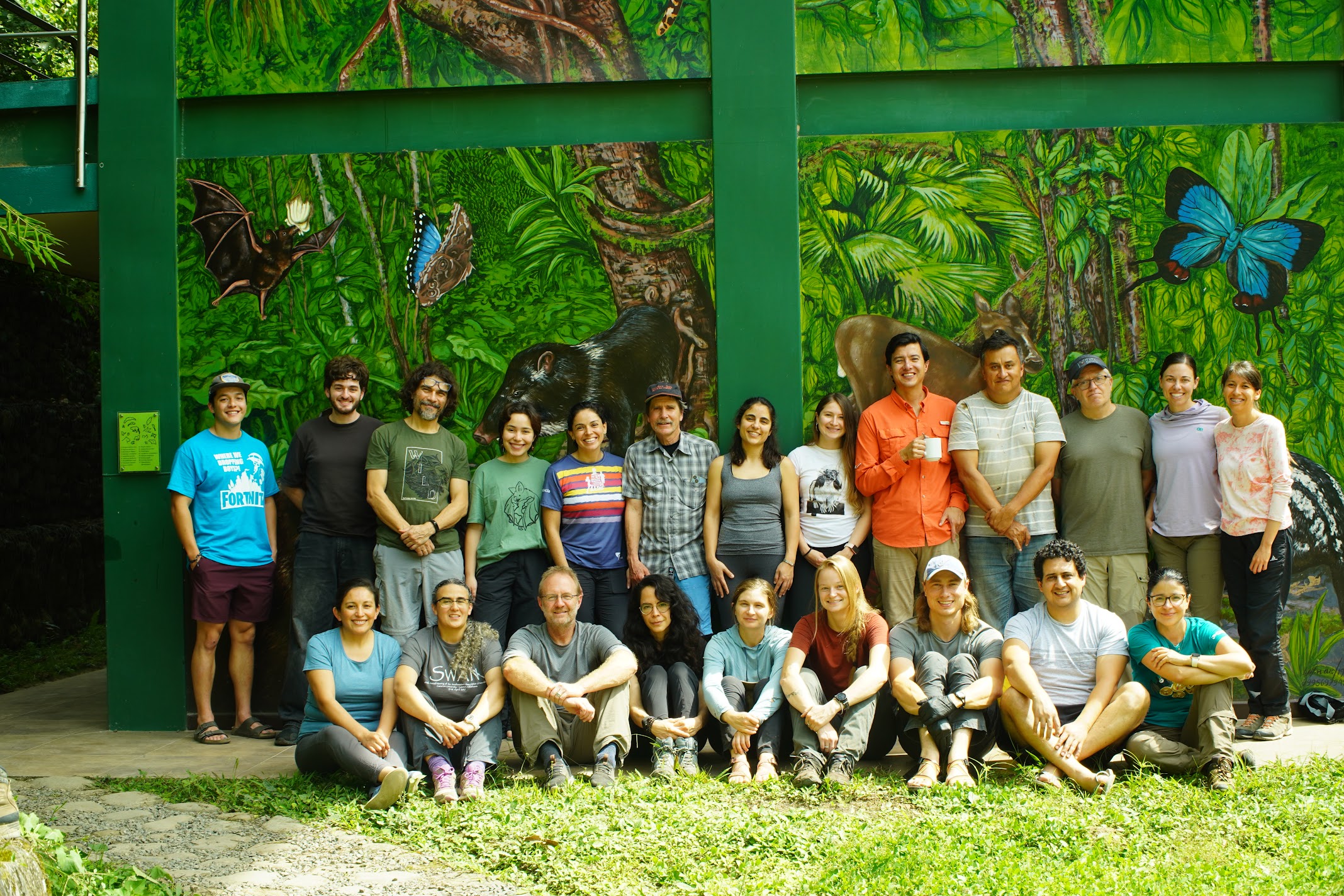
Organizers & instructors
A team of field biologists, genomicists, and collection managers from institutions across the Americas.
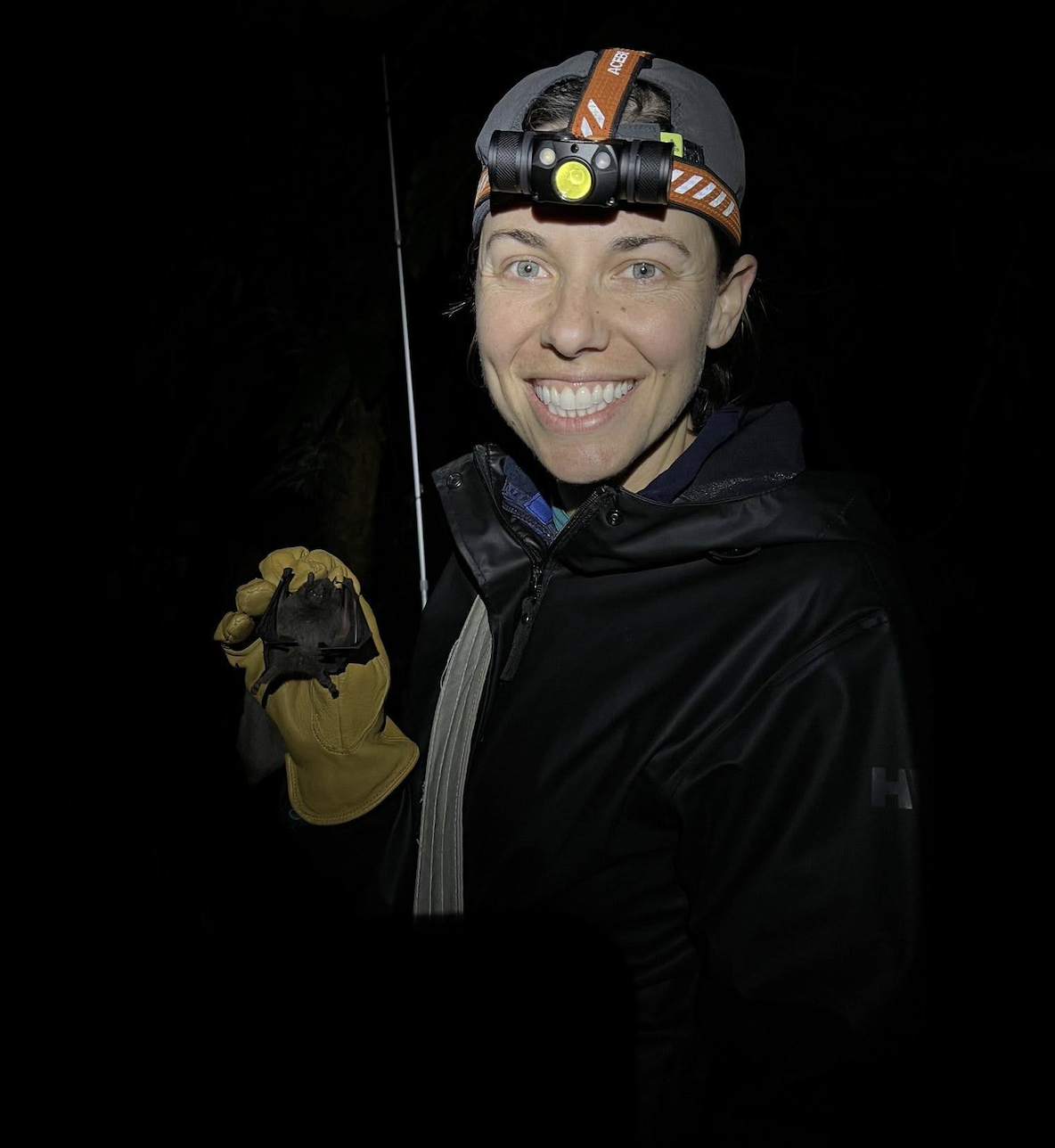
Jocelyn Colella, PhD
University of Kansas Biodiversity Institute
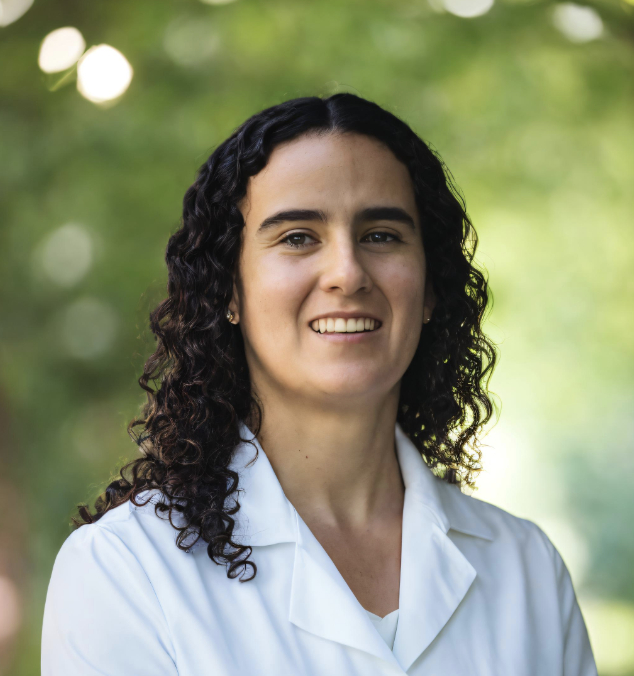
Nicte Ordóñez-Garza
University of Michigan

Carlos Carrion Bonilla, PhD
UNM / QCAZ–PUCE Ecuador
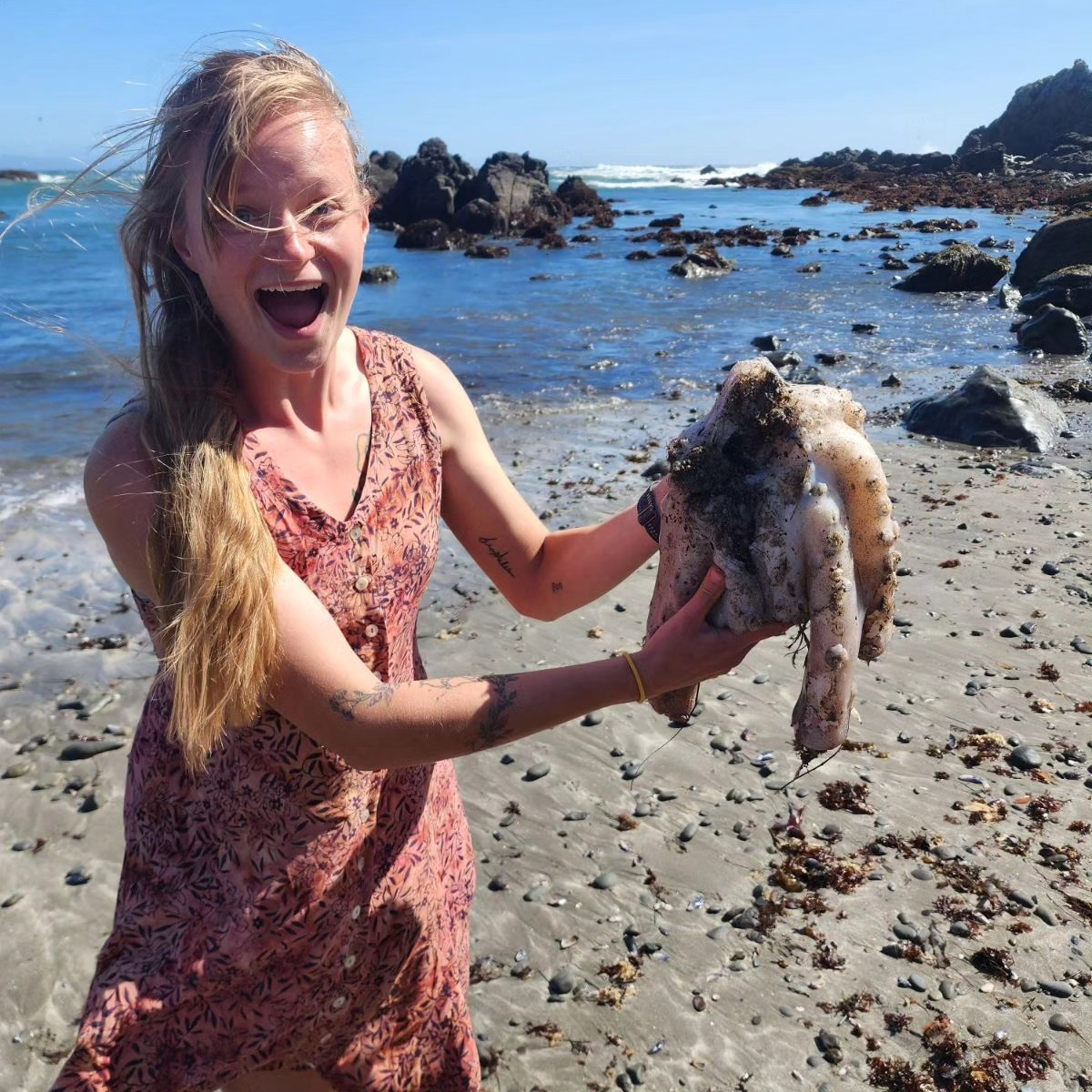
Mackenzie Grover
University of Kansas Biodiversity Institute
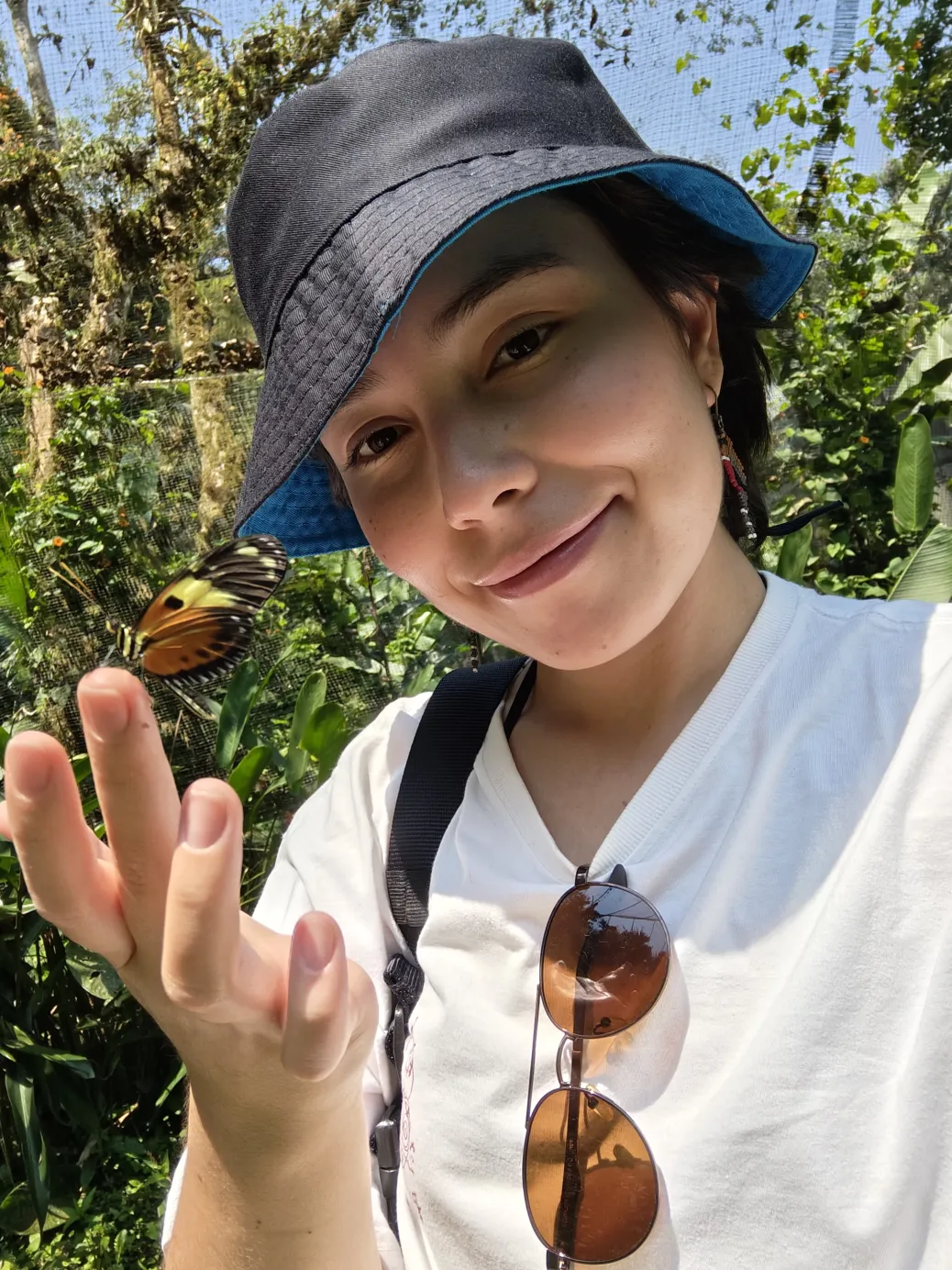
Natalia Betancurt
University of Kansas Biodiversity Institute
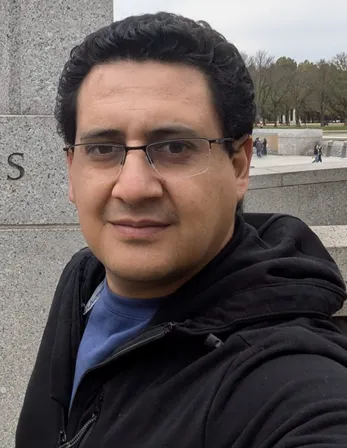
Marlon Cobos, PhD
University of Kansas Biodiversity Institute
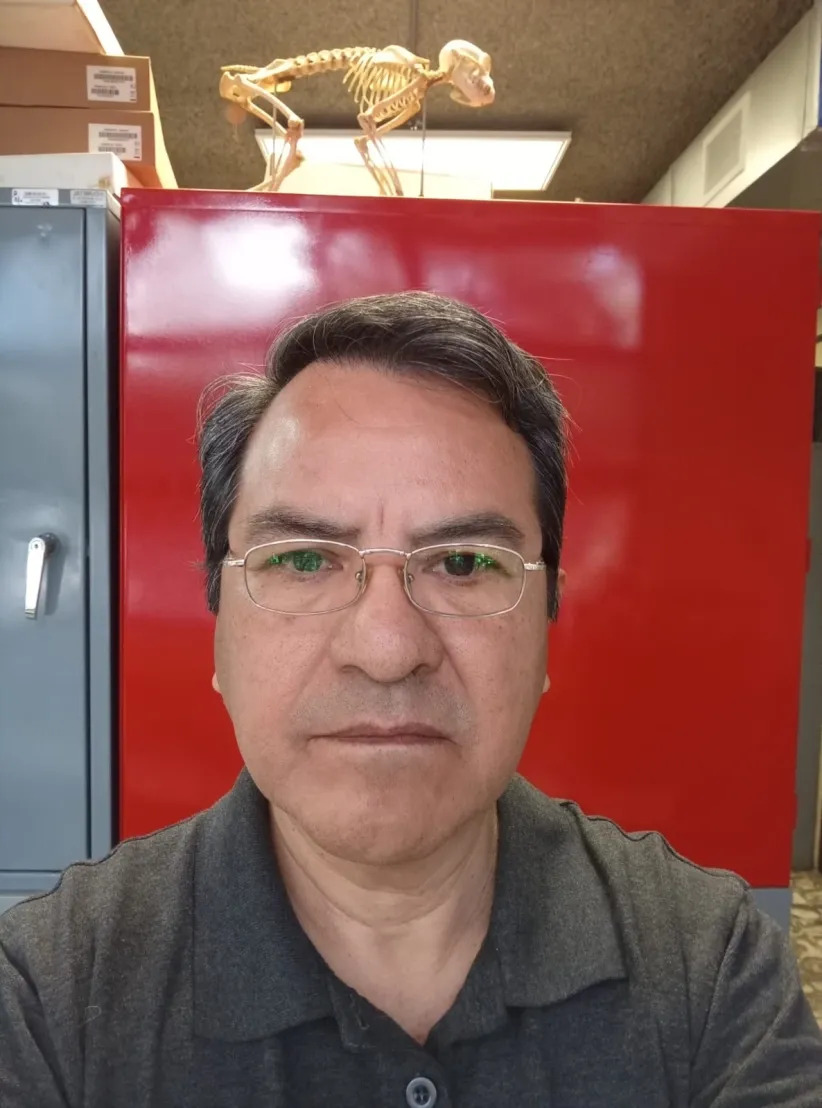
Sergio Perez, PhD
Universidad de San Carlos de Guatemala
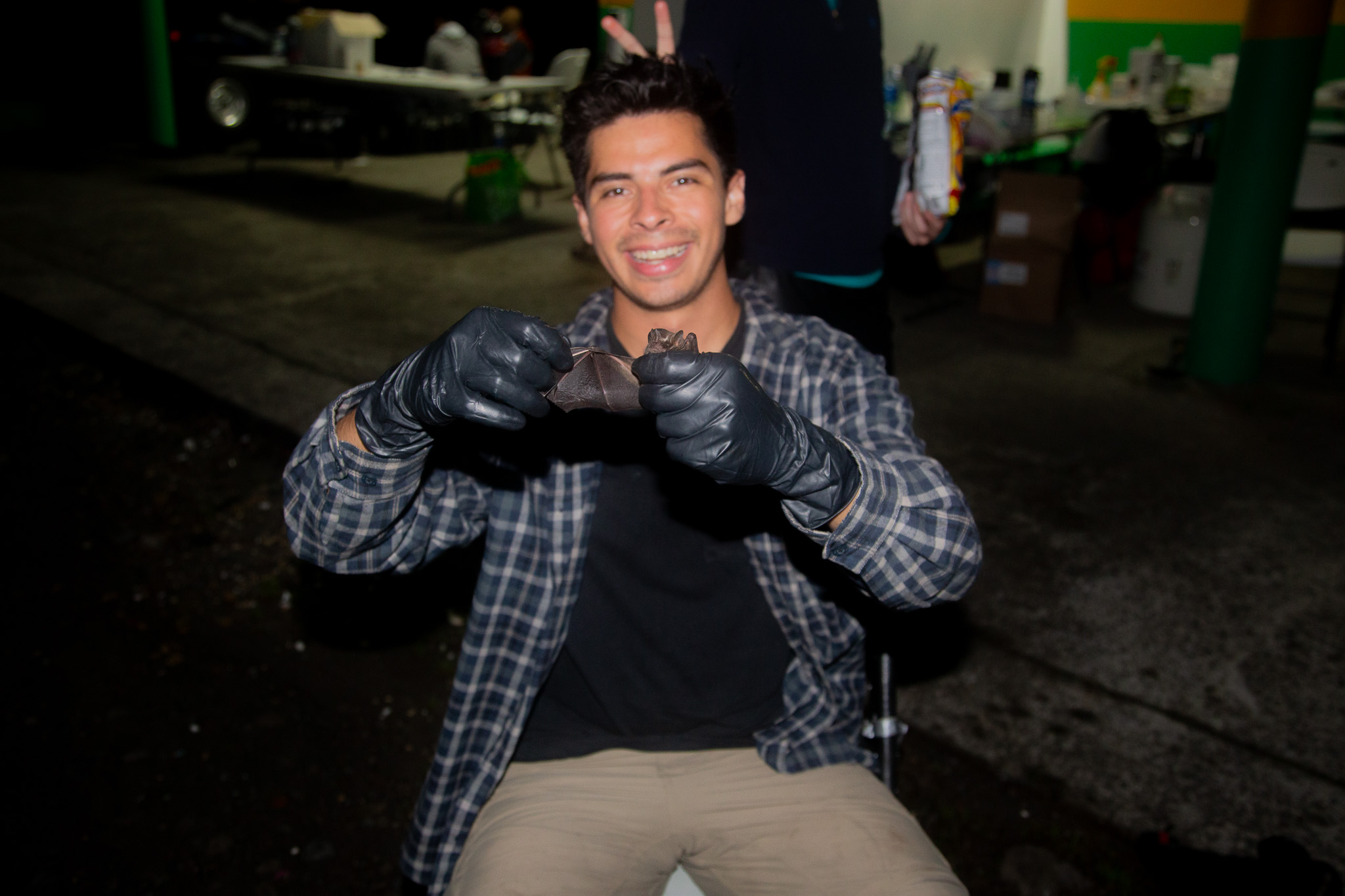
Danny Ibanez IV
University of Kansas Biodiversity Institute
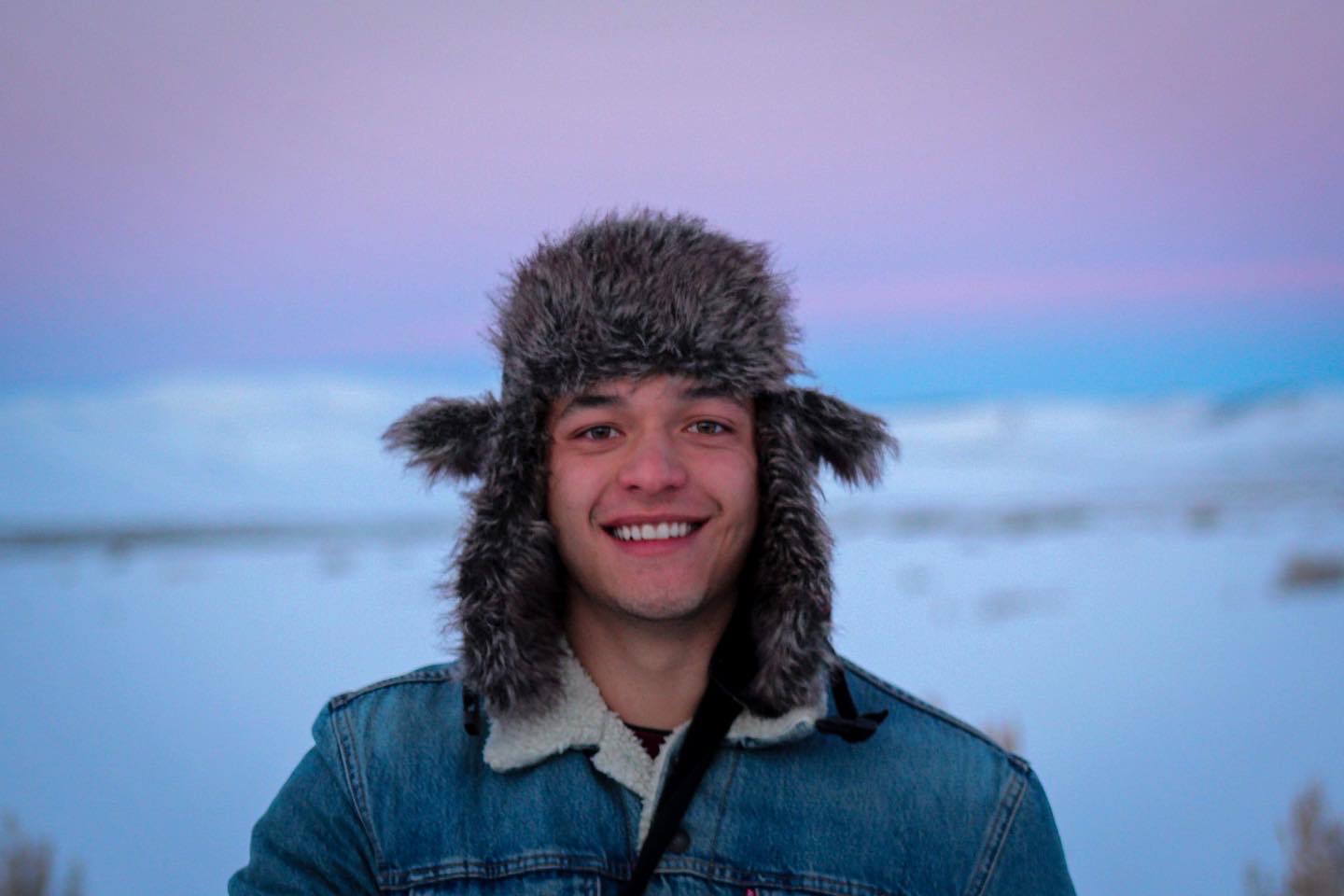
Alex Hey
University of Kansas Biodiversity Institute
Collaborating institutions

University of Kansas
Biodiversity Institute
Universidad de San Carlos de Guatemala
School of Biology

University of Michigan
Museum of Zoology
University of New Mexico
Museum of Southwestern Biology
MEPA
Museums and Emerging Pathogens in the Americas
National Science Foundation
PurSUiT Award #2302677